Being a foreigner and dealing with the feeling of never belonging, is deep. As a refugee, you belong somewhere but you belong nowhere at the same time. In most cases bigotry, prejudice and hatred is driven by fear. Fear of the unknown- weather it is of an unknown language, culture, person or future.
Go back to where you come from!
We don’t want you here!
I have lost count of the number of times that I have heard those words.When I first arrived in South Africa, I didn’t even know that there was a language called Zulu. However, I had heard about Shaka Zulu and watched a movie based on his life story back when we were in the DRC. I just didn’t know that there was a language with his namesake until I heard someone speaking to their friend.
My family and I had just skipped the Mozambique border to get into South Africa, and were sitting in a taxi heading for Durban. Never in our lives had we heard someone speaking while clicking their tongue! It was fascinating and entertaining at the same time. As a family we were eager to immerse ourselves and our lives in this new country and city. It had never crossed our minds that the biggest battle, the suffering of hatred and the oppression, that we would face, would come from our fellow black brothers and sisters. That is one battle we were not prepared for.
From what I can remember of the DRC as a child, and according to traditional African culture, foreigners were always welcomed by the locals and treated well. We had hoped and expected that we would be treated the same in this foreign land. Our expectations of being welcomed, of finding a community and a sense of belonging were not to be found amongst our black brothers and sisters in Durban.
We were often called, by black South Africans, by derogatory names such as kwerekwere, which is as bad as the N-word. Some black South Africans would spit at us on the street if they heard us talking “our” language. Some would refuse to serve us in the stores and would publicly humiliate us. Many behaved in a way that they made sure that we knew that we were not welcome.
The acts of prejudices against foreigners, refugees, asylum seekers and the stateless are endless and deeply painful.One incident in particular stands out for me. I was on my way home from work and I entered a full bus. The bus didn’t have the notice signs to show you where it was headed. I asked the driver (in English) which direction the bus was heading. He answered me in Zulu. I proceeded to tell him that I don’t understand Zulu and asked if he could answer me in English? He did speak back to me in English. His response was:
You are a kwerekwere- go back to where you come from we don’t want you here
There are no words to describe my feelings at that moment.
There was fortunately a person in the bus who showed kindness to me by telling me the direction that the bus was heading and I thanked them. I then turned around to the bus driver and spoke to him in “my language”. He asked me what I said. I had said to him that no one chooses to be a refugee, so next time he should be kind.
For a people who had experienced/ still experience deep racism, many had turned to become the oppressors themselves.
Most of us have watched on our TV screens, with horror, how the xenophobia flared up all over this country. I was amongst those who hid in our homes hoping that they wouldn’t find us. We foreigners have been dehumanised many times in this country.
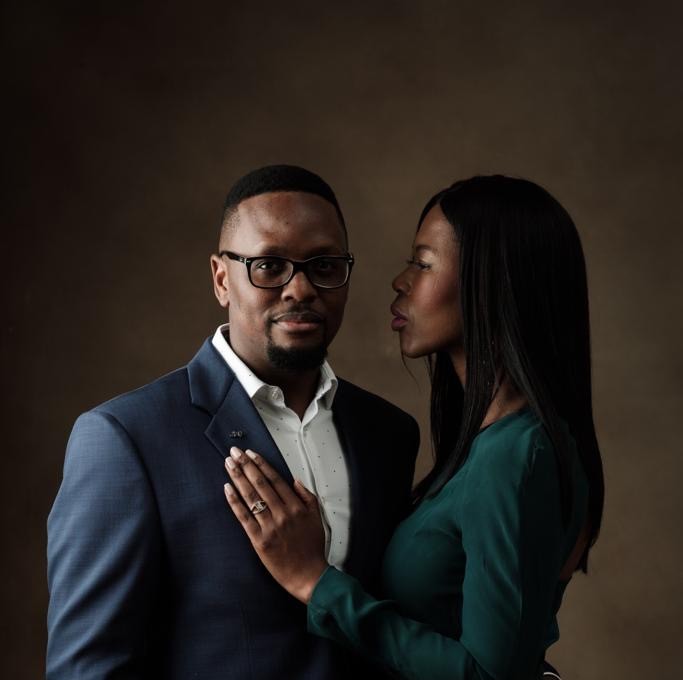
I had for many years a deep fear of black South Africans. You can imagine the shock to my family when I went to tell them that the man I had chosen to marry is a black South African, AND a Zulu. I had to convince my family that he was a different kind of Zulu man. It is sad state though that I wasn’t well received in my husband’s family and I have learnt over the years to live with that.
This year, we celebrated our 13th anniversary and have never been happier and more fulfilled than right now. Not that we have not been through the most in years past!
WE FEAR WHAT WE DO NOT KNOW
Being a foreigner and dealing with the feeling of never belonging, is deep. As a refugee, you belong somewhere but you belong nowhere at the same time. In most cases bigotry, prejudice and hatred is driven by fear. Fear of the unknown- weather it is of an unknown language, culture, person or future.
During those years I only made black friends from other African countries because I felt safe and I didn’t have to explain the struggle. I could be relatable.
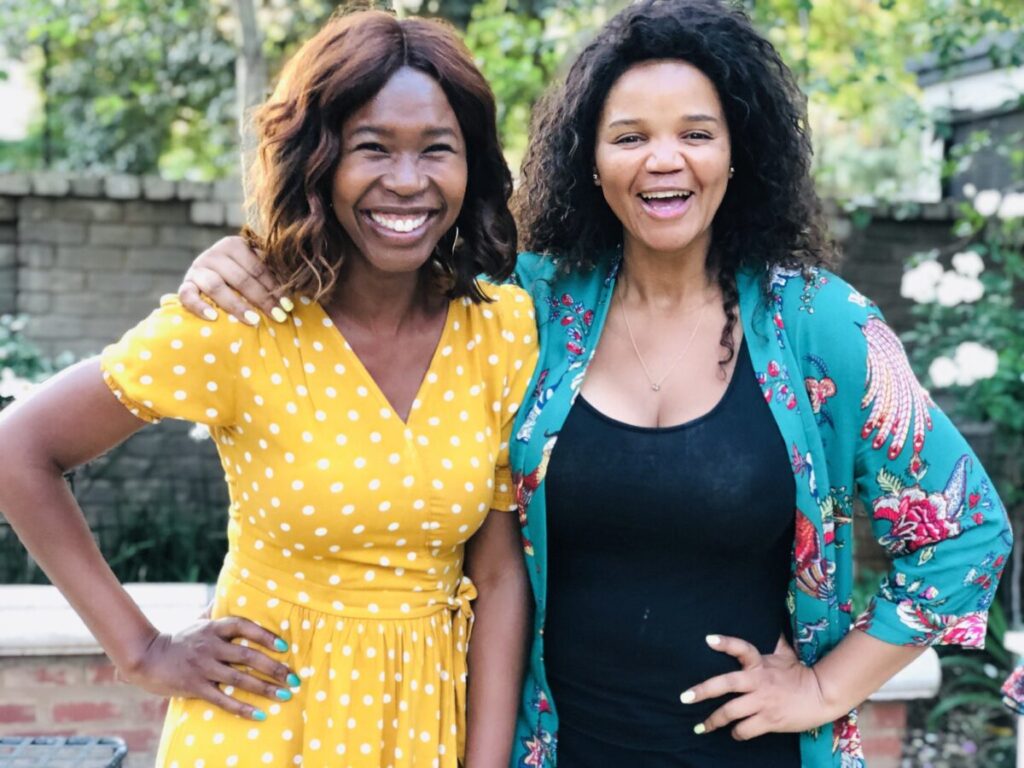
When I moved to Pretoria, I became friends with this gorgeous, larger than life Xhosa woman. My friend Unathi restored my faith in black South Africans, and particularly in black women. She has no idea how restorative her friendship was to my soul. I have since built deep and meaningful friendships with many other black South African women; but I needed a catalyst, and Unathi was just that.
Am I saying that all black South people xenophobic? Of course not- there are good black people and there are bad black people. Xenophobia and racism are from the same family. They are both dehumanising- to the person committing the act and to the person suffering it.
Let us be anti-xenophobic, anti-racism, anti-anything that dehumanises another human being who has been created in the image of God.